

Chimney fires are far more common than most Bristol residents realize, and their consequences can be devastating. According to the CSIA, chimney fires cause over $200 million in property damage each year across the United States, and the number of incidents in Connecticut has been rising as more homeowners return to wood-burning heat sources without proper maintenance awareness. Here's what every Bristol homeowner needs to know to protect their family and property.
What Actually Causes Chimney Fires?
The overwhelming primary cause of chimney fires is creosote buildup. Here's the science: when wood burns in your fireplace, the combustion process is never 100% complete. Smoke rising up through your chimney contains unburned wood particles, volatile gases, water vapor, and other compounds. As this smoke travels through the relatively cooler chimney flue, these compounds condense and deposit on the flue liner walls as creosote.
Creosote is extremely flammable—and its danger increases exponentially as it progresses through three stages. Stage 1 is a flaky, soot-like deposit that a professional can easily brush away. Stage 2 is a dense, tar-like glaze that bonds tenaciously to the liner surface and requires specialized tools to remove. Stage 3 is a rock-hard, shiny coating that can actually damage clay tile liners during removal and represents the highest fire risk. When a stray spark or sustained high temperature reaches Stage 2 or 3 creosote, the results can be catastrophic.
Recognizing a Chimney Fire—Including the Ones You Can't See
Some chimney fires are dramatic and unmistakable: loud cracking or roaring sounds, dense thick smoke pouring from the chimney top, visible flames shooting from the chimney cap, and intense heat radiating through the chimney walls. These "free-burning" chimney fires are terrifying but at least obviously call for an emergency response (call 911 immediately).
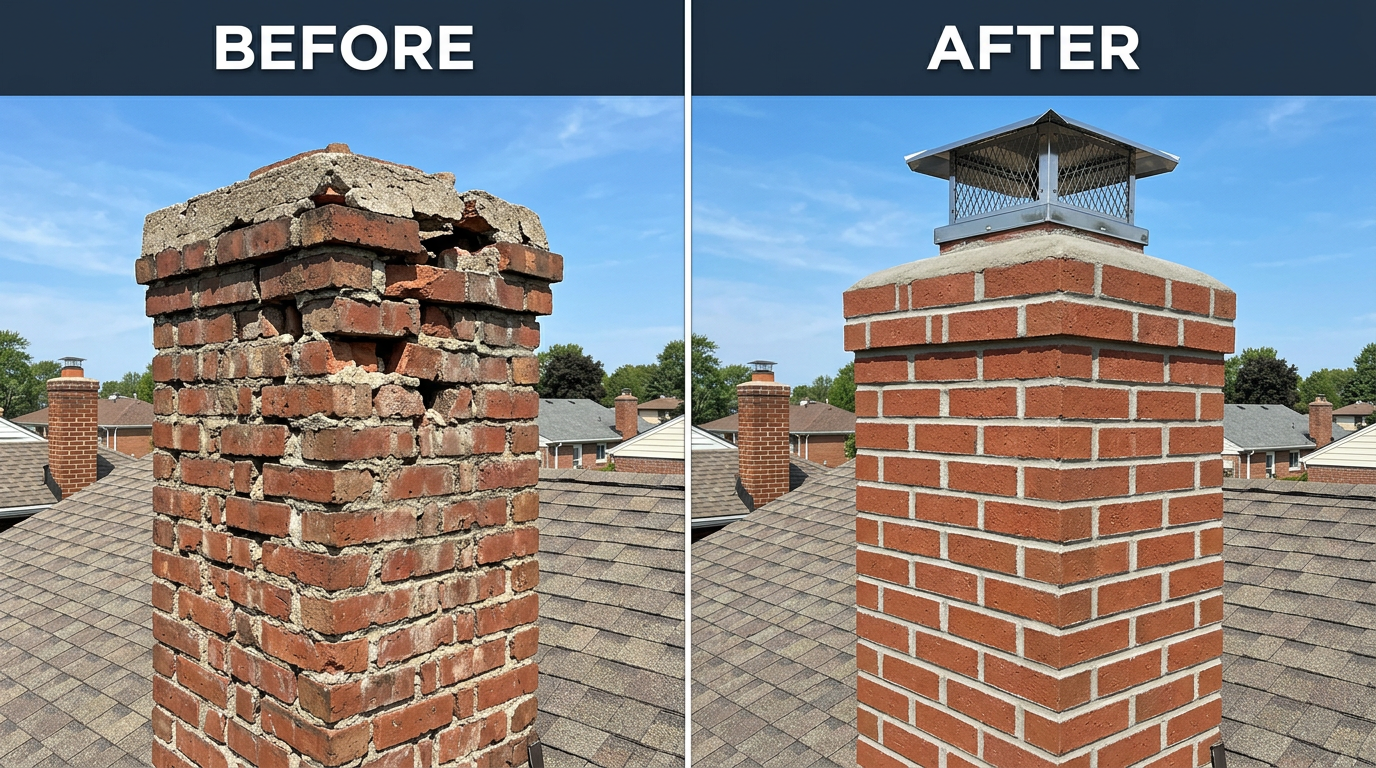
However, many chimney fires are slow-burning events that produce far less dramatic symptoms. These "quiet" chimney fires may smolder for hours or even days within the flue, reaching temperatures hot enough to damage the liner, warp the damper, and crack the chimney structure—all without the homeowner being aware. Signs of a past slow-burning chimney fire include: distorted or warped dampers, cracked or collapsed flue tiles, discolored or heat-damaged exterior masonry, evidence of smoke escaping through mortar joints, and creosote flakes found on the roof or ground near the chimney.
Bristol-Specific Prevention Strategies
1. Annual professional cleaning by CSIA-certified technicians (like our team at Chimney Sweep The Master)
2. Burn only properly seasoned hardwood with moisture content below 20%
3. Maintain strong, hot fires—avoid smoldering, overnight burns that dramatically increase creosote production
4. Ensure adequate air supply—don't restrict airflow by closing dampers or air controls too much
5. Install and maintain a quality chimney cap to prevent downdrafts and blockages
6. Use a chimney thermometer to monitor flue gas temperatures and maintain the optimal burning range
What to Do If You Suspect a Chimney Fire
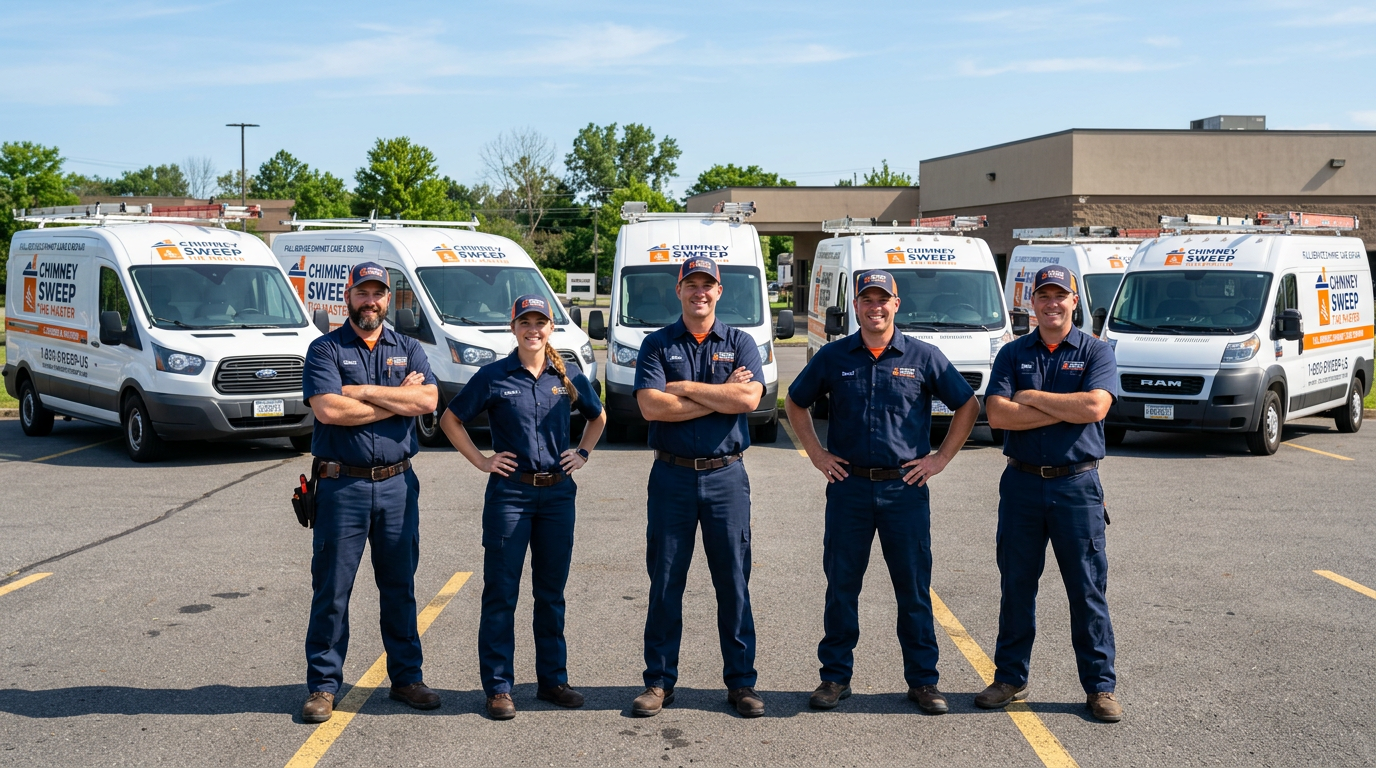
If you suspect an active chimney fire: immediately call 911, evacuate your family, close the damper and glass doors (if safe to do so) to restrict oxygen, and do NOT attempt to put it out with water (the thermal shock can cause the flue to crack). After the fire department clears the scene, call Chimney Sweep The Master for a Level 2 inspection before using your fireplace again.
Prevention is always better than reaction. Schedule professional chimney cleaning with Chimney Sweep The Master at (860) 506-9256 today.

Mike Reynolds
CSIA-Certified Inspector
CSIA-certified professional with 5 years of chimney service experience nationwide.